
Specialist Plastic Surgeon | Melbourne
Rhinoplasty in Melbourne
Rhinoplasty, or nose surgery, is considered for concerns about nasal shape, size, structure and breathing.
All surgical procedures carry risks. Individual suitability, outcomes and recovery vary.
Individual assessment
Nose shape concerns and rhinoplasty
Rhinoplasty, or nose surgery, could be suitable if concerns relate to nasal bone, cartilage or airflow, based on your anatomy, breathing symptoms and goals.
Dr Jeremy Richardson is a Specialist Plastic Surgeon consulting in Fitzroy North, with a special interest in facial cosmetic and reconstructive surgery, including rhinoplasty.
Common areas of concern
Nose concerns seen by Dr Jeremy Richardson
Many patients share concerns about their noses, including a dorsal hump, crooked nose, asymmetry, tip shape, nostril width or changes following injury or previous surgery.
01
Dorsal hump or prominent bridge
A dorsal hump is a raised area along the bridge of the nose and can involve bone, cartilage or both. It is usually more noticeable in profile view. Assessment considers bridge height, underlying structure, skin thickness and overall facial balance.
02
Crooked nose or nasal asymmetry
Variation in nasal alignment can result from natural development, prior injury, cartilage positioning, bone structure or a deviated septum. Complete symmetry is not always possible due to cartilage memory and individual healing patterns.
03
Nasal tip shape
Nasal tip appearance may be bulbous, drooping, wide, narrow or more projected. These features are influenced by cartilage shape, skin thickness and soft tissue support. The surgical plan depends on individual anatomy and how much change is surgically appropriate.
04
Wide nostrils or nasal base width
Nostril width and nasal base proportions vary according to soft tissue, cartilage structure and the position of the nasal base relative to the face. Adjustments require consideration of scarring, nostril contour and overall facial proportions.
05
Breathing-related structural concerns
Nasal blockage or difficulty breathing can be linked to internal anatomy, previous trauma or a deviated septum. Assessment involves both structural and functional factors, as not all breathing issues can be resolved through rhinoplasty alone.
Patient gallery
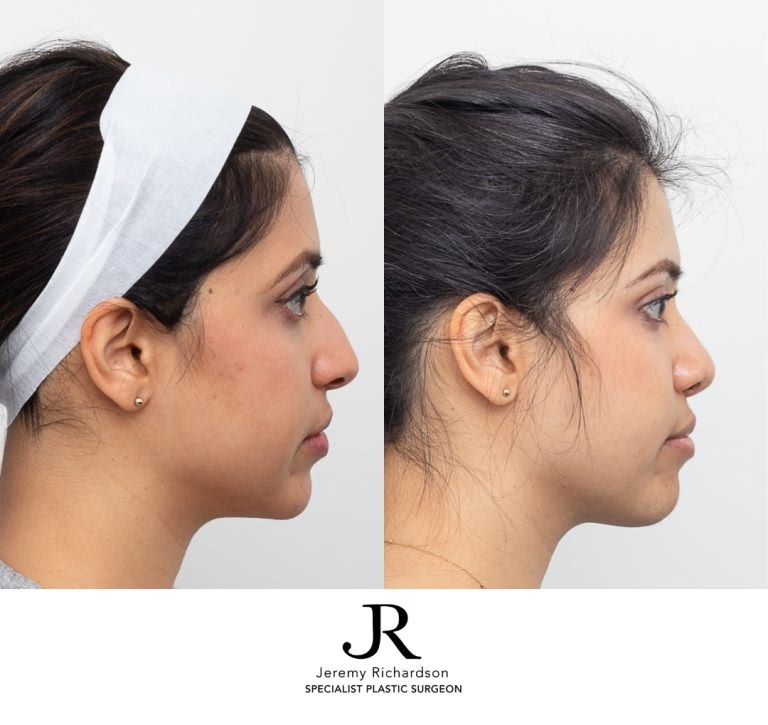
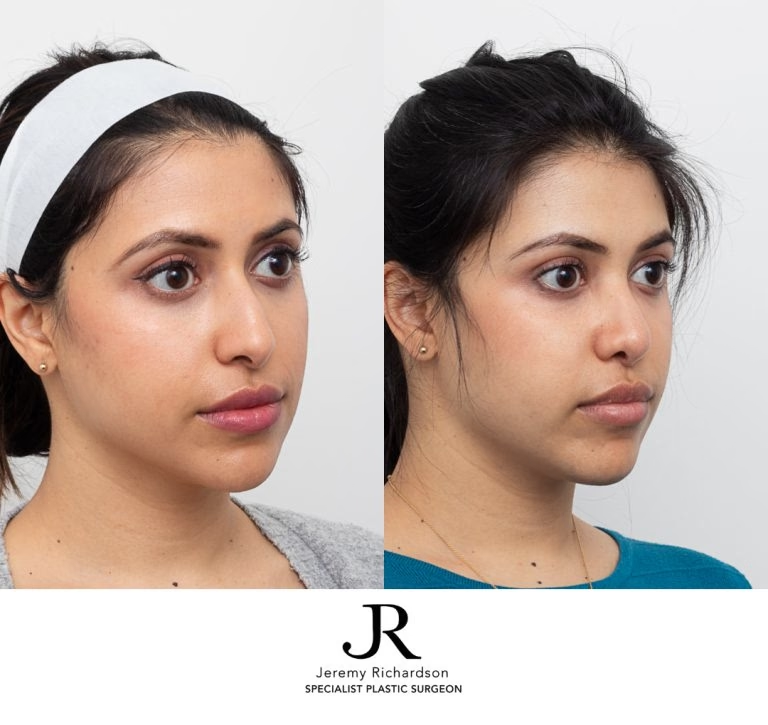
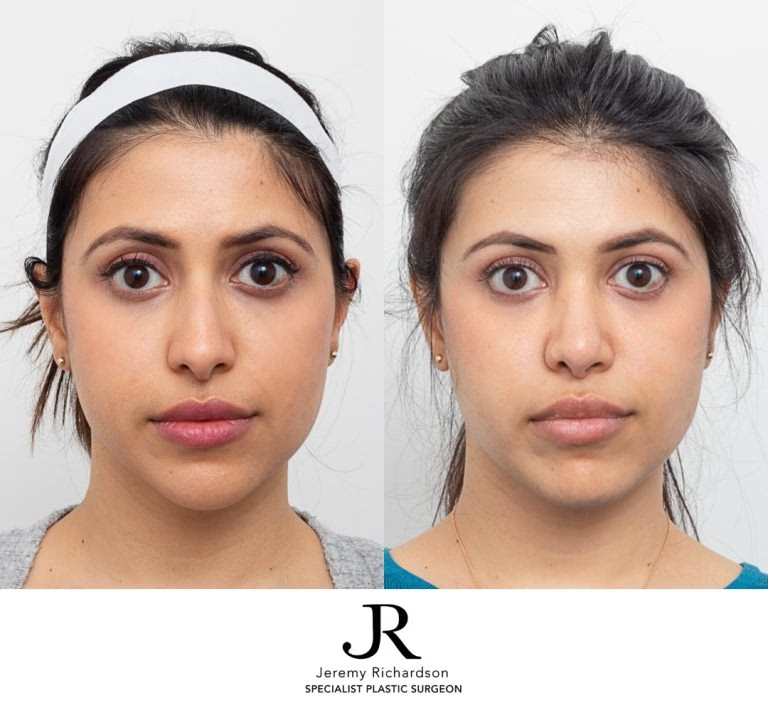
Before and after rhinoplasty
The results shown are specific to each individual patient and may not represent the outcome for every patient. Results vary according to anatomy, health history, surgical goals and healing.
Three clinical views from the same patient case are presented.
Know your nose surgeon
Your nose is at the centre of your face
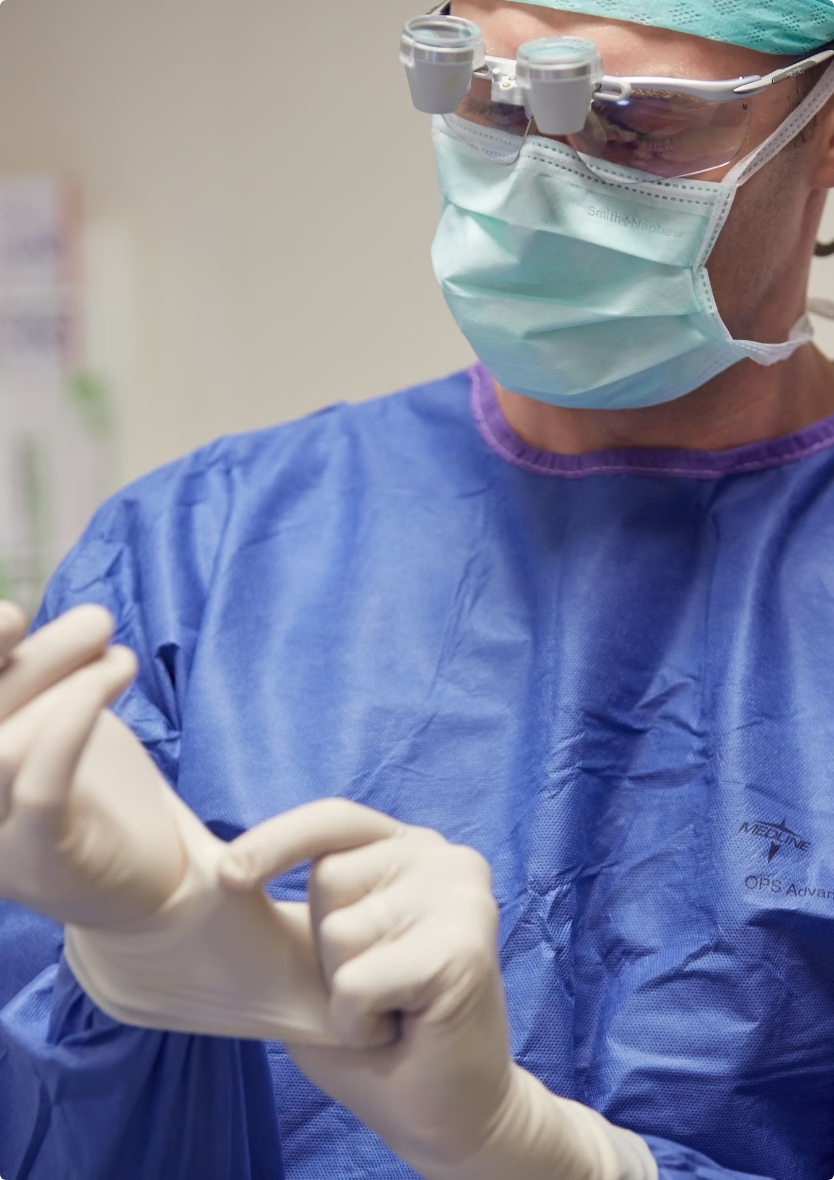
Nose surgery involves cartilage, bone, soft tissue, skin, scarring, breathing, facial balance and appearance. Small changes can be visible, so it is important to understand who is recommending and performing the surgery, their qualifications and their experience.
Dr Jeremy Richardson (MED0001204528) is an ANZBCPS Board Certified, Melbourne-based and Australian-trained Specialist Plastic Surgeon with FRACS (Plast) qualifications and experience in facial cosmetic and reconstructive surgery.
About Dr RichardsonAppearance
Cosmetic considerations
Cosmetic assessment may include the bridge, tip, nostrils, nasal width, profile and the relationship between the nose and wider facial proportions.
Bridge height, dorsal contour and projection.
Tip structure, nostril shape and base width.
Structure
Functional considerations
Functional assessment may include the septum, nasal valves, airway support and reported breathing symptoms.
Internal structure and areas of possible obstruction.
Not every breathing concern can be addressed through rhinoplasty.
Private consultation
What to expect during a nose consultation
Consultation with Dr Richardson provides an opportunity to discuss your concerns and whether surgery is suitable, what it involves and its limitations.
Fitzroy North
Rhinoplasty in Melbourne with Dr Jeremy Richardson
Dr Jeremy Richardson, MED0001204528, is a Melbourne-based Specialist Plastic Surgeon. He consults at Queens Parade Specialists and has a special interest in facial cosmetic and reconstructive surgery, including rhinoplasty.
Request a consultationCommon questions
Rhinoplasty FAQs
No. Rhinoplasty can be considered for cosmetic purposes, but it may also address breathing symptoms, previous trauma or nasal obstruction.
Rhinoplasty may be discussed if a deviated septum is contributing to nasal obstruction, but breathing symptoms may have more than one cause. Specialist assessment is required to determine suitability.
Recovery varies. Most patients need time away from work while swelling, bruising, congestion and dressings settle. Longer-term swelling, particularly around the nasal tip, can take more time to refine. Dr Richardson will provide advice based on your procedure and healing.
Suitability depends on nasal anatomy, facial proportions, skin thickness, breathing, medical history, previous surgery, expectations and reasons for considering surgery. Specialist consultation is needed to determine suitability.
Rhinoplasty should be performed by a registered medical specialist with relevant surgical training, experience, hospital access and follow-up care. You can check a practitioner’s registration through AHPRA.
Queens Parade Specialists
Have a question?
Please complete the form and one of the team will be in touch to discuss your enquiry.